

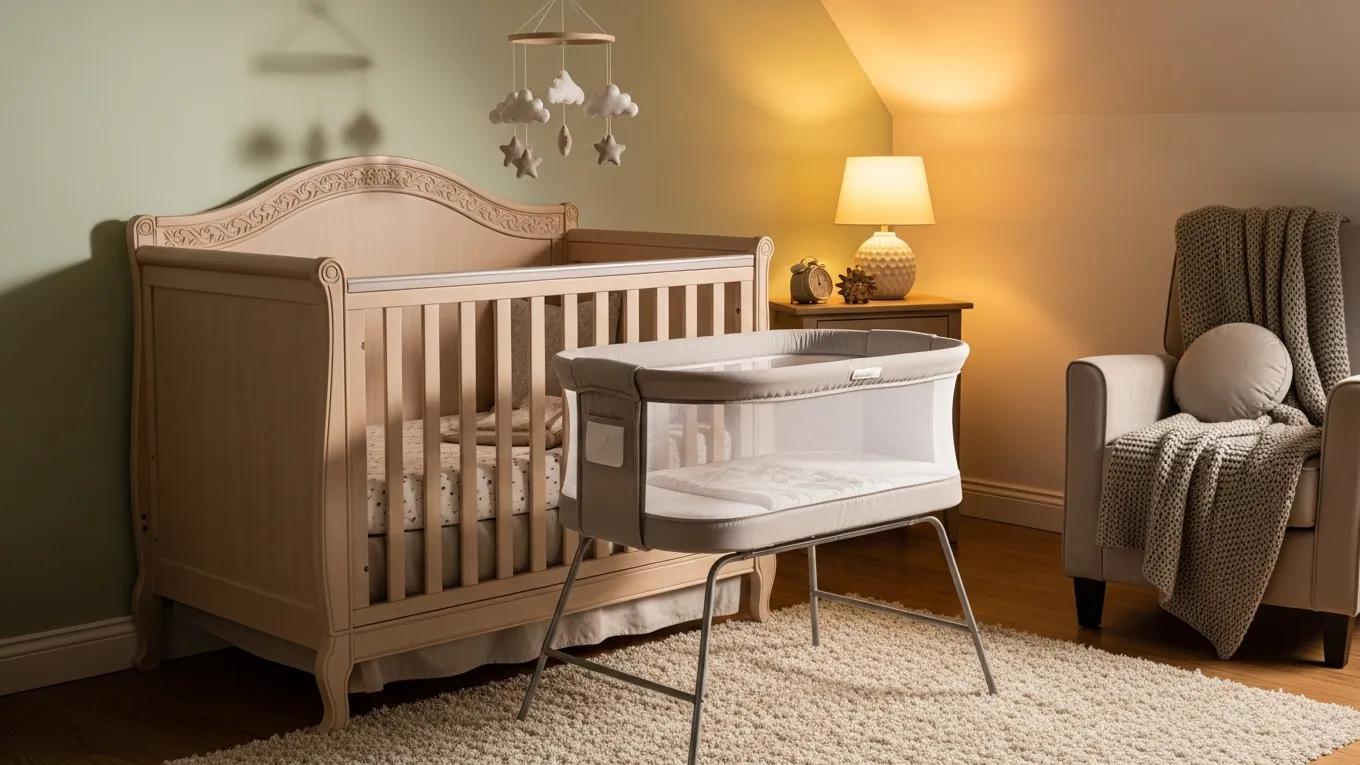
When creating a safe sleep environment for newborns, choosing appropriate sleep furniture is vital. Parents often weigh a crib against a bassinet; each offers different advantages and limitations. This guide explains the main differences and summarizes current infant sleep safety considerations so new parents can choose what fits their baby and family.
We'll review Canadian safety standards for cribs and bassinets, outline bassinet benefits and limits, highlight crib advantages, and offer guidance to select the best newborn sleep solution. Understanding these factors can improve a baby's sleep quality and safety.
What Are the Key Safety Standards for Cribs and Bassinets in Canada?
Safety standards for baby furniture in Canada are essential for protecting newborns and ensuring a secure sleeping environment. The Canadian regulations set guidelines that help manufacturers design products that prioritize safety, durability, and usability. Compliance with these standards not only assures parents of the quality of their chosen sleeping furniture but also enhances the overall safety of infant sleep environments.
Which Canadian and ASTM Certifications Ensure Furniture Safety?
In Canada, cribs and bassinets are required to comply with safety certifications such as the Canadian Standards Association (CSA) and the American Society for Testing and Materials (ASTM) Standards. These certifications ensure that the furniture meets specific durability and safety requirements. For example:
- CSA Certification: Guarantees that the product adheres to national safety standards, focusing on preventing injuries from structural failures or unsafe designs.
- ASTM Certification: Ensures that the product has been tested to resist hazards, such as choking or suffocation risks, commonly associated with infant sleep.
These certifications inform parents about product reliability and safer marketplace choices.
How Do Safety Standards Impact Newborn Sleep Environment?
Safety standards reduce risks from poorly designed sleep products. Compliant models include features—firm mattress support and tight mattress-to-crib fits—that prevent sinking, gaps, and suffocation.
Concerns about older or damaged sleep products are highlighted by expert recommendations.
Infant Sleep Product Safety: Cribs, Bassinets & Standards
The safest place for an infant to sleep is in a new crib, bassinet, portable crib, or play yard. However, parents are faced with an increasing array of infant sleep products which may in fact create a hazardous sleeping environment. Recent legislative actions driven by the Consumer Product Safety Commission (CPSC) and child safety advocates seek to protect infants from hazardous sleep products through enacting recalls, bans, and development of infant sleep product standards. A new play yard or portable crib is preferable to used or older cribs, which may not meet current safety standards. Use of outdated or damaged cribs, bassinets, portable cribs, and play yards can result in entrapment, suffocation, or strangulation. Baby products: How to evaluate them for potential safety, 2025
Ultimately, understanding the importance of safety standards is vital for parents seeking to ensure their child's safety while promoting healthy sleep habits.
What Are the Main Benefits and Limitations of Using a Bassinet for Newborns?
Bassinets are popular among new parents for their convenience and portability, allowing for close mobility within the home while keeping the infant safe. However, parents should also be aware of the limitations of bassinets when it comes to their child's growth and safety.
How Does Bassinet Portability Enhance Safe Newborn Sleep?

A bassinet's portability makes it easy to move the sleeping infant between rooms, enabling closer supervision during the early weeks when frequent feeding and monitoring are critical. It can reassure parents and encourage daytime bonding.
Ensure the bassinet is used correctly and placed on stable, level surfaces.
For What Age Range Is a Bassinet Suitable and When Should You Transition?
Bassinets typically suit newborns until about 3–6 months or when the baby starts pushing up or showing mobility. Transition when the infant outgrows the bassinet; consider growth, activity level, and sleeping-area size.
Why Choose a Crib for Newborn Sleep? Safety and Durability Considerations
Many parents choose cribs for long-term usability and safety; cribs accommodate infants through toddler years and meet evolving sleep needs.
What Are the Key Material and Construction Features of Safe Cribs?

Safe cribs use non-toxic finishes and solid construction, plus adjustable mattress heights. These features and strict standards protect infants and ensure longevity.
The importance of opting for new, compliant furniture is echoed by safety guidelines.
Safe Infant Sleep Environments: Cribs, Bassinets, and Play Yards
The safest place for an infant to sleep is in a new crib, bassinet, portable crib, or play yard. A new play yard or portable crib is preferable to a used crib. Used or older cribs may not meet current safety standards and/or may have loose screws or missing hardware, which also make them unsafe. Use of outdated or damaged cribs, bassinets, and play yards can lead to entrapment, suffocation, or strangulation. Sleep areas other than a new crib, bassinet, portable crib, or play yard are not recommended; these include car seats (unless in transit), swings, sofas, chairs, and pillows. Baby products: how to evaluate them for potential safety, 2020
Additionally, many cribs come with convertible options that can change into toddler beds, maximizing utility.
How Does a Crib Support Infant Sleep from Newborn to Toddler Stages?
A crib's adaptability makes it a long-term sleep option. Adjustable mattress heights help cribs fit developmental stages from newborn through toddler years, supporting safe transitions as the child grows.
Parents who want durable, multifunctional sleep furniture often prefer cribs to bassinets.
How to Decide Between a Crib and Bassinet: What New Parents Should Consider
Choosing can be daunting. Factors include safety features, available space, and family dynamics.
Which Factors Affect the Choice of Newborn Sleep Furniture?
- Safety Features: Consider the safety certifications and materials used in the construction of the furniture.
- Usage Duration: Understand the time frame for which the furniture can be used, with bassinets typically suitable only for a few months whereas cribs can last several years.
- Space Considerations: Evaluate the available space in your home for either option, as cribs tend to require more room.
These factors help select the right fit for baby and family.
What Are Expert and Parent Recommendations for Safe Newborn Sleep?
Experts recommend creating a secure sleep environment by choosing proper furniture and following safety guidelines. Common advice includes placing the crib in the parents' bedroom for the first months to encourage bonding while promoting safer sleep. Parents also share practical tips on bedding, positioning, and early sleep routines.
Combining expert guidance with parent insights leads to better choices.
A simple comparison can help parents decide.
| Attribute | Bassinet | Crib |
|---|---|---|
| Portability | Highly portable, lightweight | Fixed in one place |
| Usage Duration | Up to 6 months | Birth to toddler years |
| Safety Ratings | Varies, check certifications | Often meets or exceeds standards |


